


Biko Bisaya, also known in some Visayan households as Puto Latik, is a delicious Filipino sticky rice cake made with pilit (glutinous rice), creamy coconut milk (gata or tuno), and rich brown sugar or muscovado (kamay). The rice is slowly cooked until tender and chewy, then coated in a fragrant coconut caramel mixture.
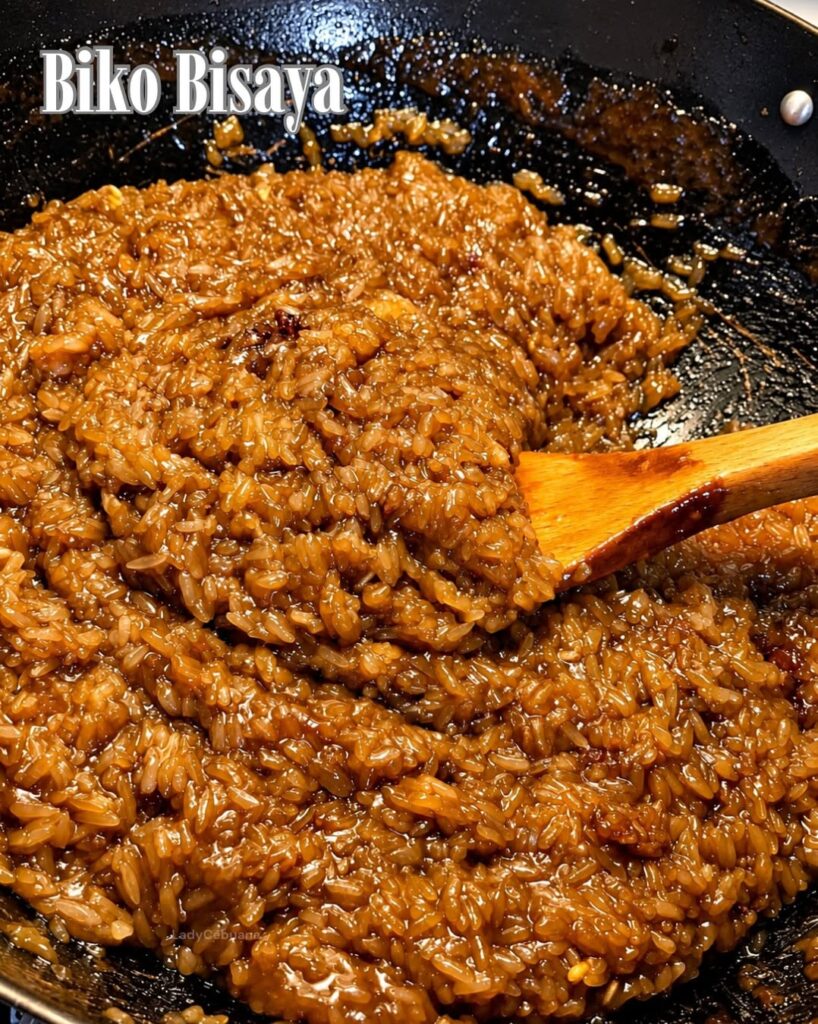
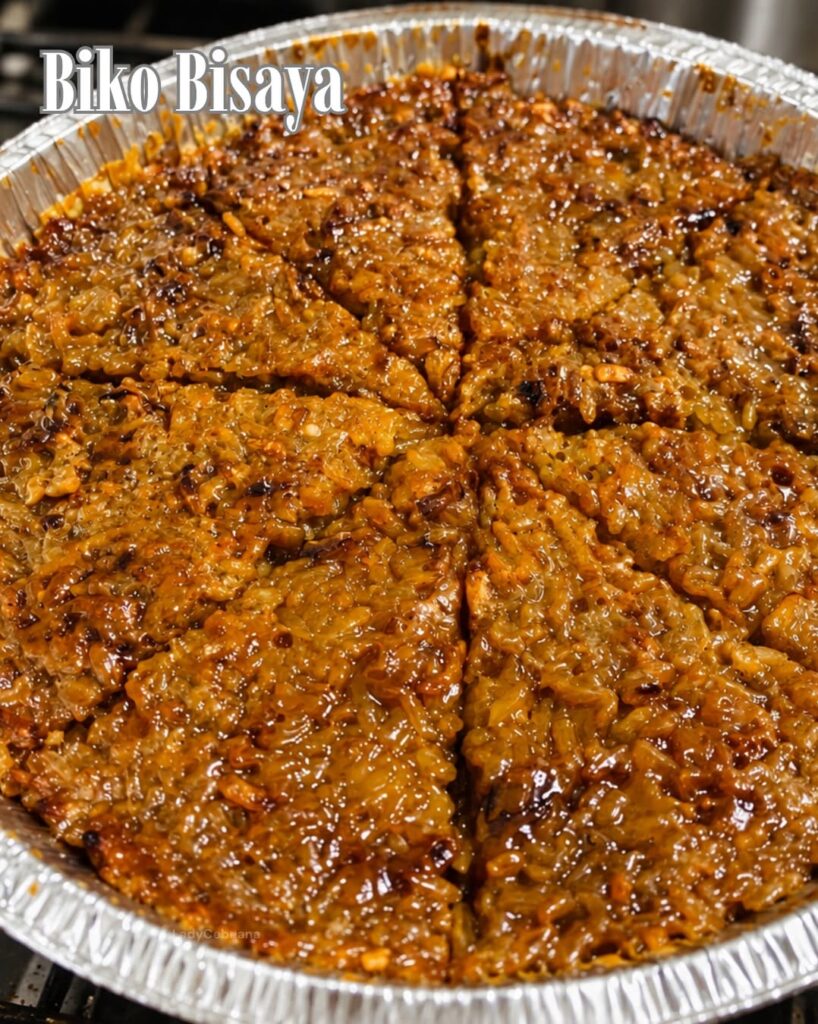
What makes this version especially irresistible is its generous layer of thick, sweet latik sauce. Unlike the crunchy coconut curds used to top other varieties of biko, this Visayan-inspired preparation features a smooth, caramel-like coconut topping that complements the sticky rice underneath. Regional preparations vary, including versions that use a thickened coconut-and-sugar topping.
✅ Quick Tips: Read the recipe in its entirety before you start cooking. This will help you understand the ingredients, steps, and timing involved, and allow you to prepare any necessary equipment or ingredients beforehand.



Biko Bisaya Recipe (Puto Latik) – Chewy Sticky Rice Cake with Coconut Caramel
Description
Perfect for family celebrations, fiestas, holidays, potlucks, and afternoon merienda, this homemade Biko Bisaya recipe uses simple ingredients and traditional cooking techniques to create a satisfyingly chewy kakanin with a deep coconut flavor.
The secret is to cook the sticky rice separately until nearly tender, gently finish it in sweetened coconut milk, and reduce the latik sauce until beautifully thick and glossy.
Ingredients
For the Biko (Sticky Rice Base)
For the Thick Latik (Coconut Caramel Topping)
Instructions
-
Wash the glutinous rice
Place the uncooked pilit in a large bowl. Rinse two or three times with clean water to remove excess surface starch. Drain thoroughly.
Do not soak the rice for this method. The measured cooking water is intended for unsoaked rice.
-
Cook the sticky rice
Transfer the washed rice to a rice cooker or heavy-bottomed pot. Add 1½ cups water and the optional pandan leaf.
For stovetop cooking, bring to a gentle boil, cover, reduce the heat to low, and simmer for 15–20 minutes, until the water is absorbed and the rice is mostly tender. Let it steam off the heat for 5 minutes.
Remove the pandan leaf. The grains should be chewy and slightly firm because they will finish cooking in coconut milk.
If the rice still has a hard, dry center, sprinkle with 2–3 tablespoons water and steam for a few more minutes.
-
Step 3: Prepare the coconut-sugar mixture
While the rice cooks, combine 2 cups coconut milk, ¾ cup brown sugar, ¼ cup muscovado, and ½ teaspoon salt in a wide kawali or heavy-bottomed skillet.
Heat over medium-low heat, stirring until the sugar dissolves completely.
Simmer gently for about 8–10 minutes, until the sauce begins to thicken slightly. Avoid boiling vigorously because coconut milk can separate and sugar can scorch.
-
Combine the rice and coconut caramel
Add the nearly cooked sticky rice to the coconut-sugar mixture.
Using a wooden spoon or silicone spatula, gently fold the rice until every grain is coated.
Continue cooking over low to medium-low heat for approximately 12–18 minutes, stirring frequently and scraping the bottom of the pan.
The mixture will become darker, thicker, and glossy. It is ready when the grains are tender, the rice holds together, and a spatula briefly leaves a clear trail along the bottom of the pan.
Avoid vigorous stirring that crushes the rice grains.
-
Transfer the biko to a serving pan
Clean and soften the banana leaf by briefly passing it over a low flame or warming it in a dry skillet. Line an 8 × 8-inch pan with the leaf and brush with coconut oil.
Transfer the cooked biko into the prepared pan.
Using a lightly oiled spatula, gently press it into an even layer. Do not compress the rice excessively, as the finished cake should remain pleasantly chewy.
-
Make the thick Bisaya-style latik topping
In a small heavy-bottomed saucepan, combine 1 cup coconut cream, ½ cup dark brown sugar or muscovado, and ⅛ teaspoon salt.
Cook over medium-low heat, stirring until the sugar dissolves.
Reduce to low and simmer gently for 15–20 minutes, stirring frequently and more continuously as the mixture thickens.
The latik should become a deep golden-brown, glossy coconut caramel with the consistency of a thick but pourable sauce.
Test by lifting a spoon: the latik should fall in a slow, thick ribbon. Remove from the heat before it becomes overly stiff.
Important: This is the smooth, sweet latik sauce version, not fried coconut curds.
-
Spread the latik over the biko
While the latik is still warm and pourable, spoon it evenly over the prepared sticky rice.
Gently spread the topping with the back of a spoon to cover the surface.
The topping will continue to thicken as it cools, forming a soft, rich coconut caramel layer.
-
Cool, slice, and serve
Allow the biko to rest for approximately 30 minutes, or until the topping has thickened enough to slice.
Lightly oil a sharp knife and cut into 12 pieces. Wipe the blade between cuts for cleaner edges.
Serve slightly warm or at room temperature with hot coffee, salabat, or traditional Filipino sikwate.
Note
Expert Cooking Tips
1. Use real glutinous rice (pilit).
Ordinary rice, jasmine rice, and sushi rice cannot produce exactly the same soft, sticky, chewy texture. Look for glutinous rice labeled sweet rice or malagkit.
2. Choose full-fat coconut milk.
The richness of Biko Bisaya comes from coconut fat. Light coconut milk produces a thinner sauce and a less creamy finish.
3. Combine brown sugar and muscovado.
Brown sugar provides familiar caramel sweetness, while muscovado adds a deeper molasses-like flavor. Using both creates a well-rounded biko without excessive sweetness.
4. Keep the rice grains intact.
Fold gently rather than mashing. Properly cooked biko should have visible, tender rice grains, not the consistency of mashed rice.
5. Do not overcook the latik topping.
Remove it from the heat while it is still pourable. The topping will thicken further as it cools. If it becomes too stiff, stir in 1–2 tablespoons warm coconut milk over low heat.
6. Use banana leaves for traditional aroma.
Fresh banana leaves add a subtle fragrance and make the finished kakanin look beautiful for family gatherings.
7. Balance the sweetness with salt.
A small amount of salt is essential. It enhances the coconut flavor and prevents the dessert from tasting overwhelmingly sweet.
8. Allow the biko to rest before slicing.
Warm biko is softer and stickier. Cooling for at least 30 minutes helps it hold its shape, especially when topped with caramel latik.
17. Ingredient Substitutions
| Original Ingredient | Recommended Substitute |
|---|---|
| White glutinous rice (pilit) | Thai sweet glutinous rice |
| Fresh coconut milk (tuno) | Unsweetened canned full-fat coconut milk |
| Fresh coconut cream (kakang gata) | Canned coconut cream, unsweetened |
| Muscovado sugar (kamay) | Dark brown sugar |
| Banana leaves | Lightly greased parchment paper |
| Pandan leaf | Omit if unavailable |
| Coconut oil | Neutral vegetable oil for greasing |
