
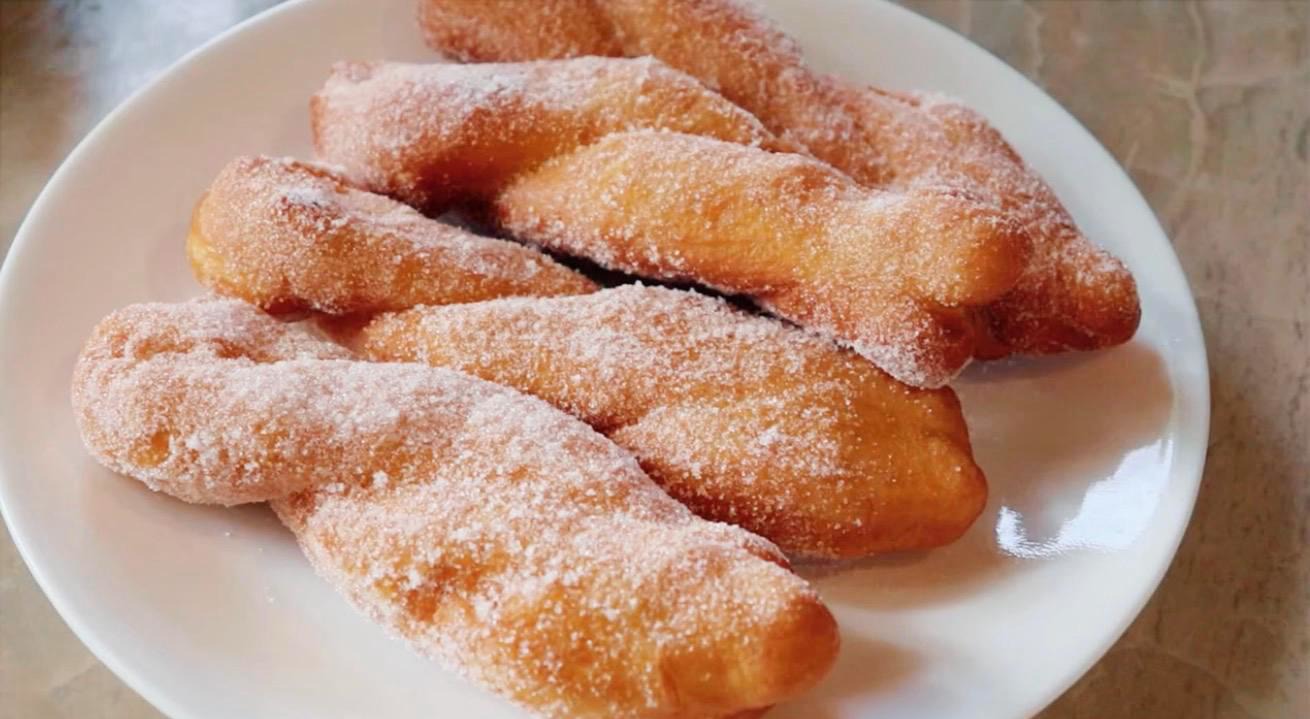
Shakoy (also called Pilipit in some regions) is a popular Filipino twisted doughnut known for its soft, fluffy inside and golden, slightly crispy outside. In the Visayas, especially in Cebu and nearby provinces, Bisaya Shakoy is a beloved merienda (snack) often sold in local bakeries, markets, and roadside stalls. It is traditionally coated with sugar and enjoyed with coffee or hot chocolate.
Cultural Story
Shakoy reflects the Filipino love for simple merienda foods passed down through generations. In the Visayas, particularly Cebu and surrounding areas, this twisted doughnut became a familiar comfort food found in neighborhood bakeries and local markets. Its spiral shape, soft texture, and sweet sugar coating make it a reminder of childhood afternoons, family gatherings, and the everyday joy found in Filipino baking traditions.



✅ Quick Tips: Read the recipe in its entirety before you start cooking. This will help you understand the ingredients, steps, and timing involved, and allow you to prepare any necessary equipment or ingredients beforehand.
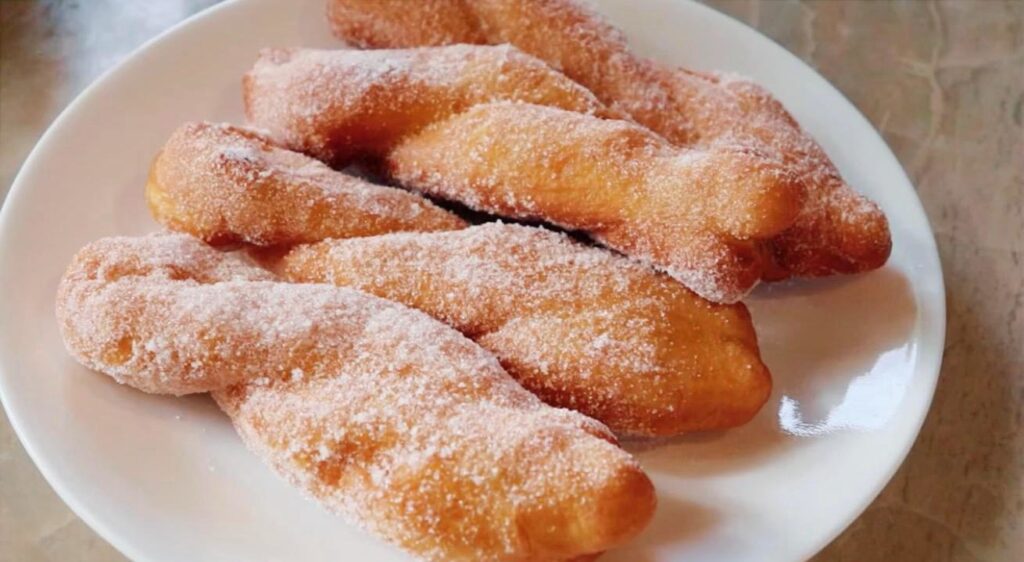

Easy Bisaya Shakoy Recipe (Twisted Filipino Doughnut)
Description
Bisaya Shakoy is a simple yet nostalgic Filipino treat made from lightly sweetened yeast dough, twisted into a signature spiral shape, fried until golden, and finished with a generous coating of sugar. This humble Visayan snack represents the warmth of Filipino merienda culture—affordable, comforting, and loved by generations.
Ingredients
Instructions
-
Proof the yeast.
Warm the milk in the microwave for about 30 seconds, or until it reaches approximately 110°F (43°C). Add the sugar and stir until dissolved. Add 2 tablespoons of yeast and mix well. Set aside for 5–10 minutes, or until the mixture becomes foamy and bubbly. This indicates that the yeast is active. -
Melt the butter.
Microwave the butter for about 30 seconds, or until completely melted. Stir and set aside to cool sligh
-
Make the dough.
Once the yeast mixture is bubbly, transfer it to a large mixing bowl. Add the melted butter, vanilla extract, and salt. Gradually add the all-purpose flour and mix until a dough begins to form.
-
Knead the dough.
Knead by hand, or use a hand mixer or stand mixer fitted with a dough hook. Continue kneading until the dough becomes smooth and elastic and passes the windowpane test—a small piece of dough should stretch thin enough to allow light through without tearing easily.
-
First rise.
Place the dough in a lightly greased bowl and cover with plastic wrap or a clean kitchen towel. Let it rise in a warm place for 1–1½ hours, or until doubled in size
-
Divide and shape.
Gently deflate the risen dough and roll it into a large log. Divide the log in half to make it easier to work with. Cut each half into 6 equal portions, giving you approximately 12 shakoy.
-
Make the twists.
Roll each portion into a rope approximately 12 inches long. Twist the rope into the traditional shakoy shape, making sure the ends are secured so they don't unravel while frying.
-
Second rise.
Arrange the shaped shakoy on a tray, leaving some space between each piece. Cover loosely with plastic wrap or a clean kitchen towel and allow them to rise for approximately 1 hour, or until noticeably puffy.
-
Heat the oil.
Pour enough cooking oil into a wide, deep pan for frying. Heat the oil to approximately 320°F (160°C). For the most consistent results, use a kitchen thermometer rather than testing the heat with your hand.
-
Fry the shakoy.
Carefully place a few pieces into the hot oil without overcrowding the pan. Fry until golden brown on both sides, turning as needed for even cooking. Remove and place on a wire rack or paper towels to drain excess oil.
-
Coat with sugar.
While the shakoy are still warm, generously roll or toss them in granulated sugar until evenly coated.
-
Serve warm and enjoy your soft, fluffy Bisaya Shakoy!

Nutrition Facts
- Amount Per Serving
- Calories 200kcal
- % Daily Value *
- Total Carbohydrate 30g10%
- Sugars 10g
- Iron 2 mg
* Percent Daily Values are based on a 2,000 calorie diet. Your daily value may be higher or lower depending on your calorie needs.
Note
Cebu-style tips
- Use fresh guso for the best crunchy texture; avoid over-soaking because it can become soft.
- Some Cebu households add fresh cucumber, mango strips, or salted egg for extra flavor.
- Traditionally, it pairs well with inihaw (grilled fish, squid, or pork) and steamed rice.