

Bulalo celebrates the deep flavor that can be drawn from simple ingredients through slow cooking. Beef shanks and marrow bones are gently simmered for hours, allowing the meat to become tender and the marrow to enrich the broth. Sweet corn adds a subtle sweetness, while pechay and green onions provide freshness and balance.

The dish is particularly identified with Batangas and nearby areas of Southern Luzon, where cattle-raising traditions helped make beef dishes an important part of regional cooking. Today, bulalo is served throughout the Philippines, from family kitchens to restaurants specializing in classic Filipino comfort food.
✅ Quick Tips: Read the recipe in its entirety before you start cooking. This will help you understand the ingredients, steps, and timing involved, and allow you to prepare any necessary equipment or ingredients beforehand.


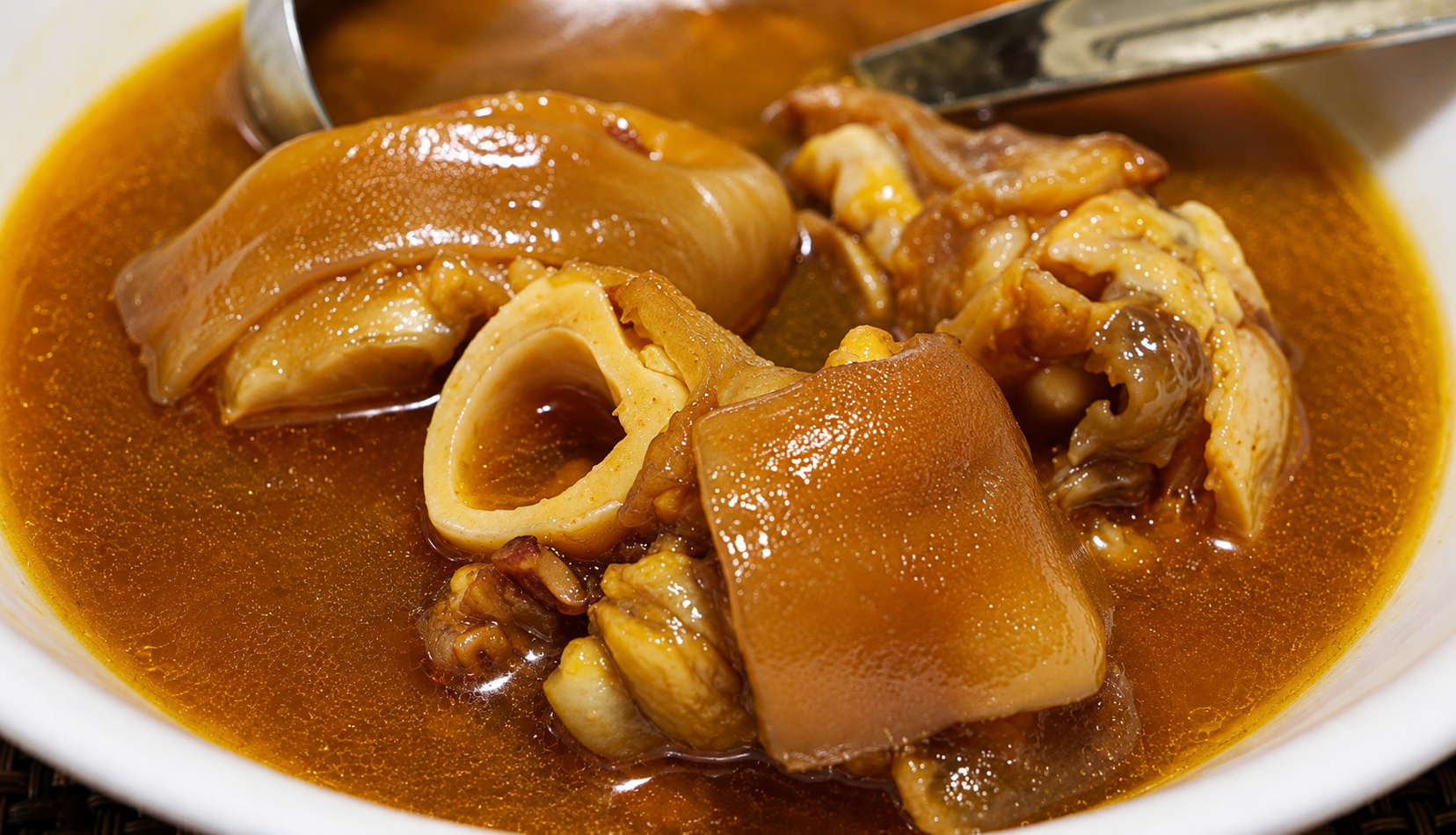
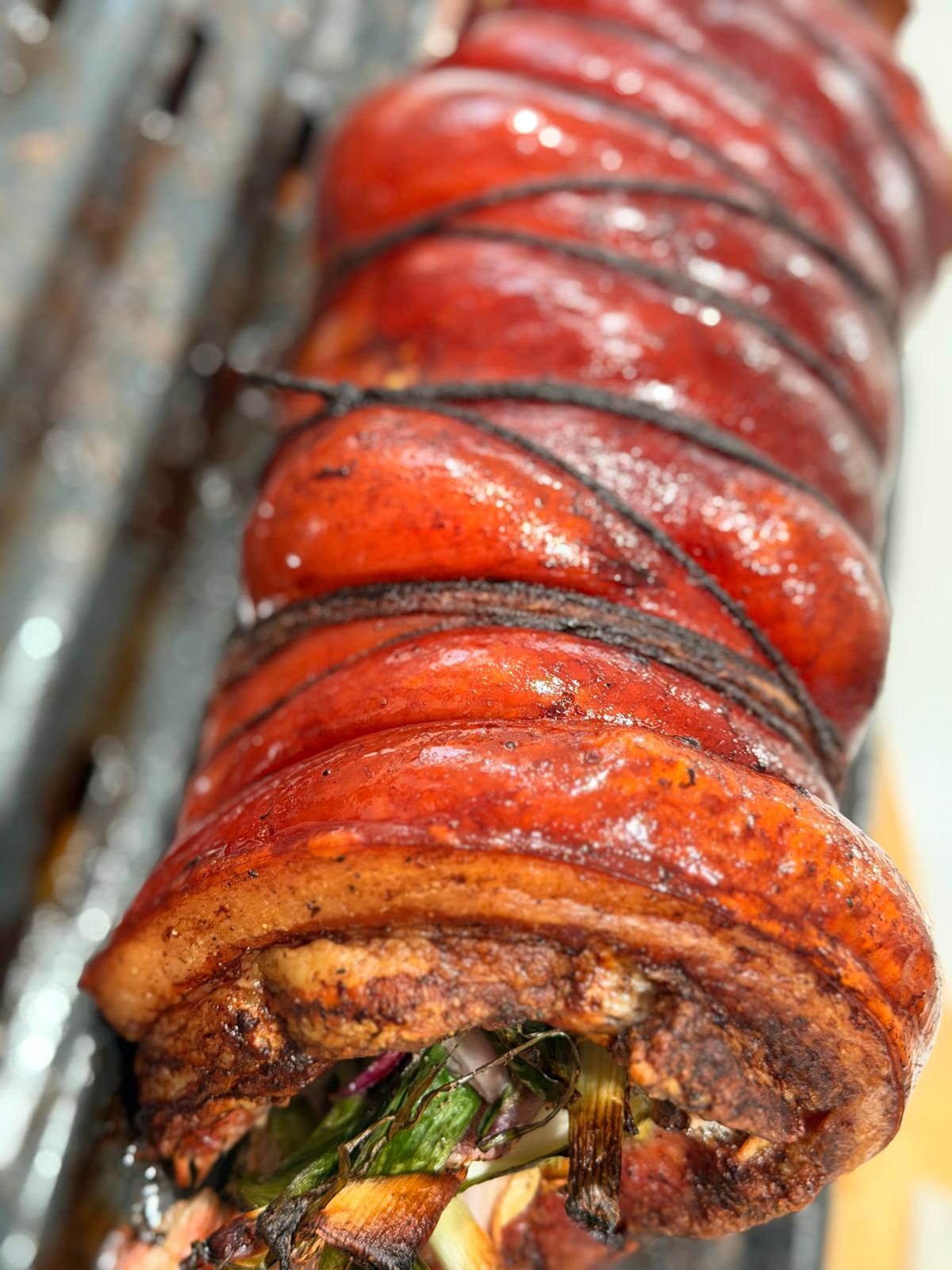
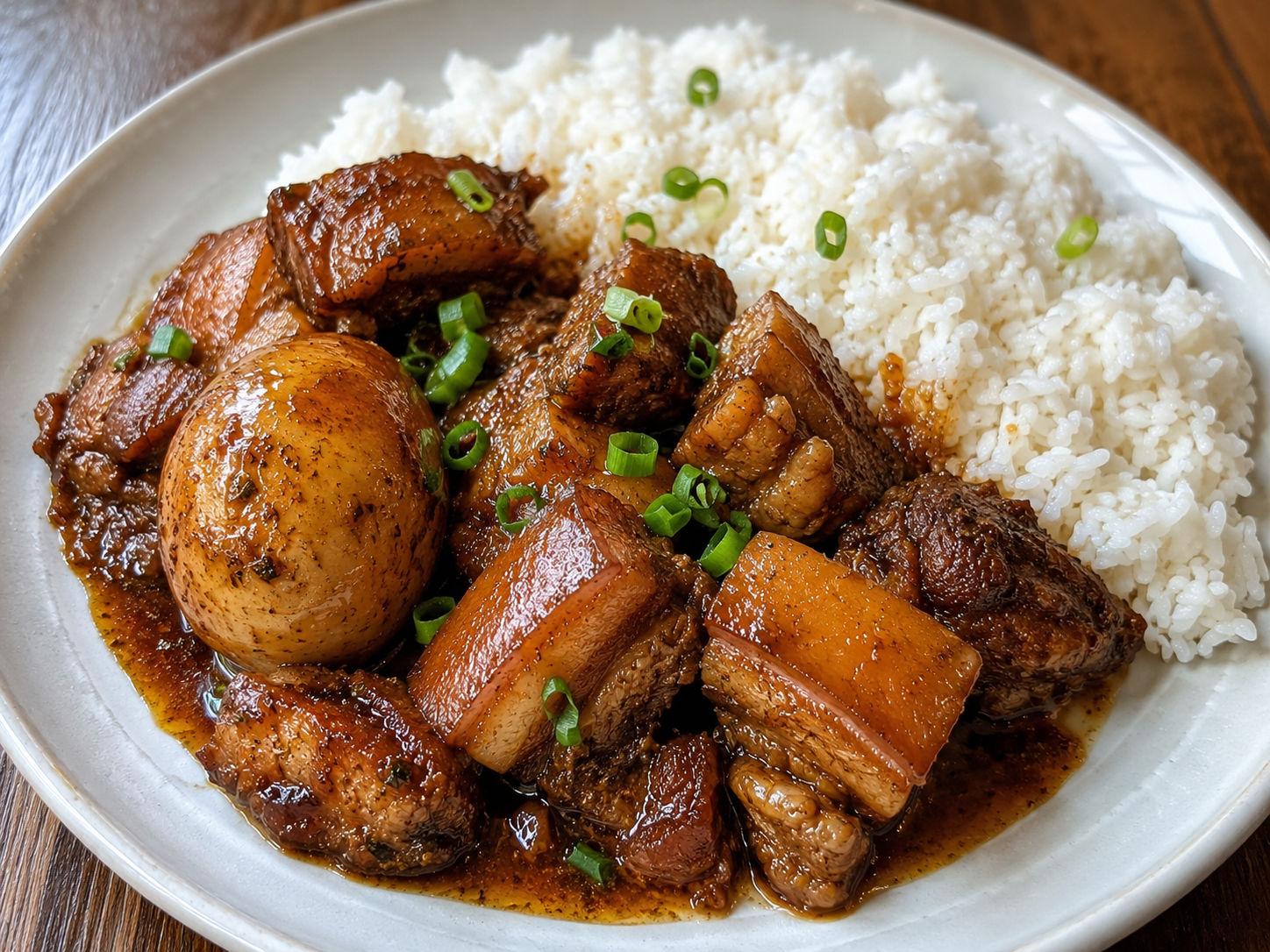
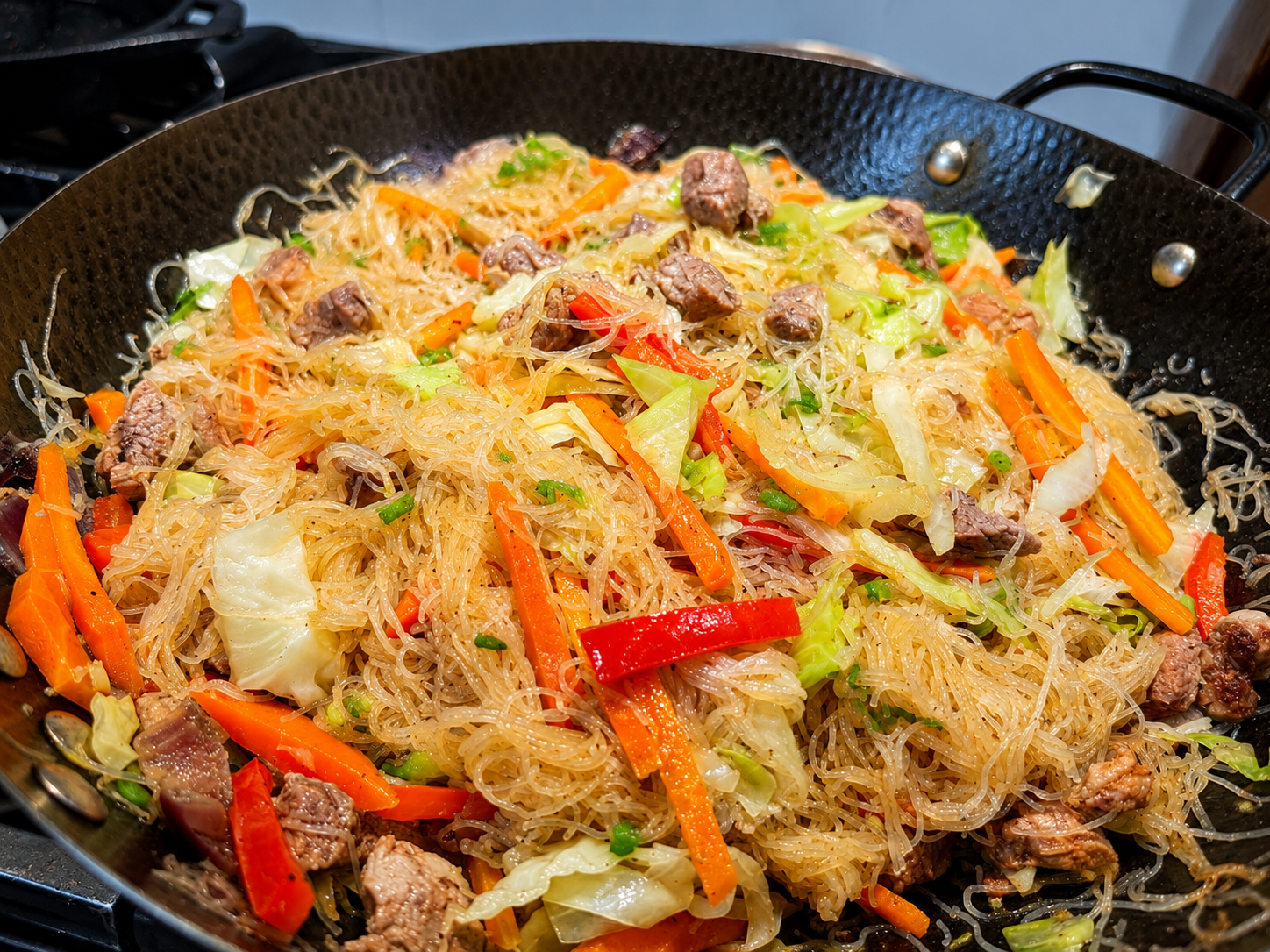
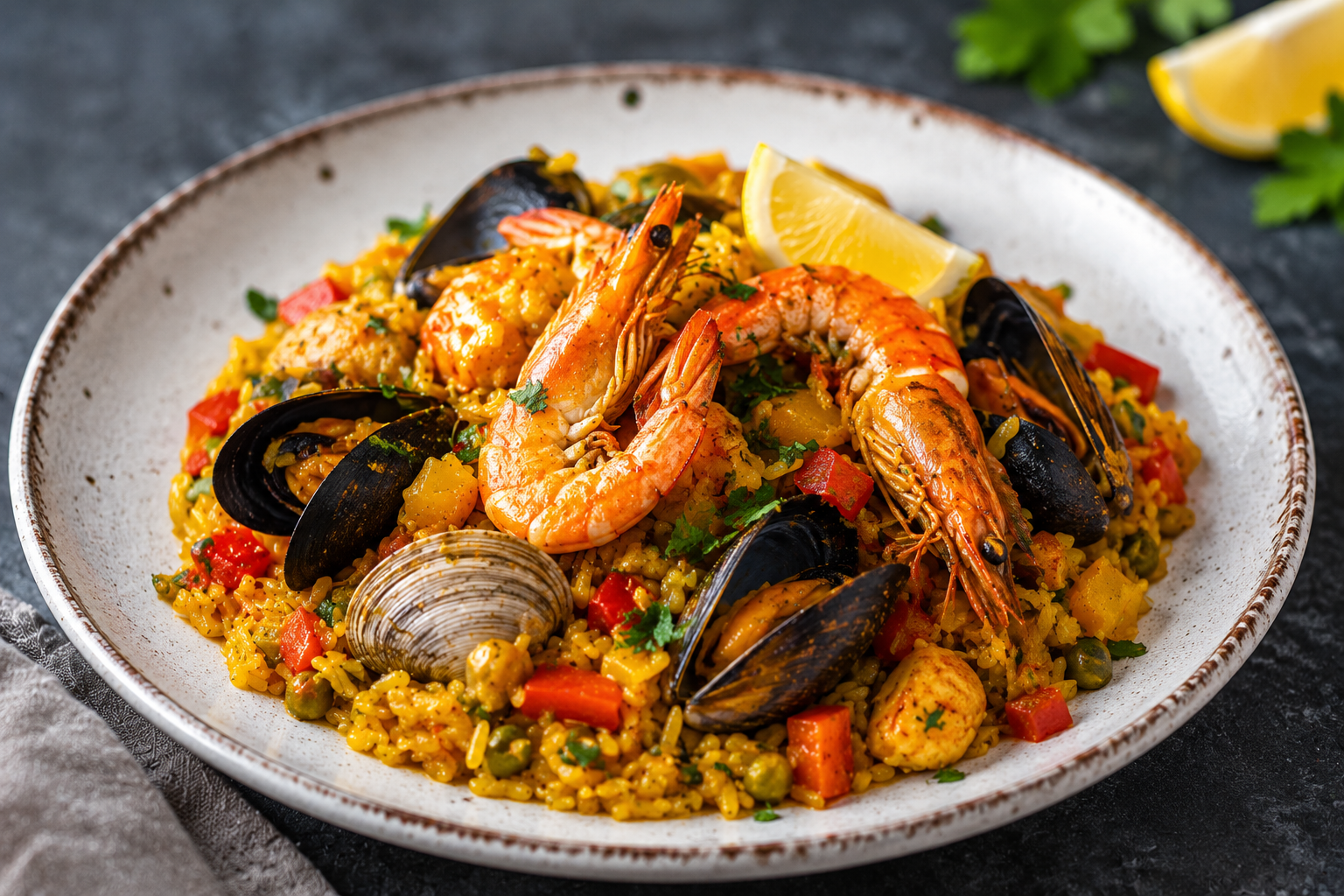



Beef Bulalo Recipe
Description
A hearty Filipino vegetable stew with tender pork belly, kalabasa, long beans, eggplant, okra, bitter melon, tomatoes, and savory shrimp paste.
Ingredients
For the Pork
For the Pinakbet
Instructions
-
Season the pork
- Place the pork belly in a bowl and season with **1 tablespoon fish sauce and 1/4 teaspoon black pepper
- Mix well and let marinate for about **15–20 minutes** while you prepare the vegetables.
-
Brown the pork
- Heat the oil in a wide pot or deep skillet over medium heat.
- Add the marinated pork belly and cook for about **5–7 minutes**, stirring occasionally, until it begins to brown and render some of its fat.
-
Build the flavor base
- Add the onion and cook for about **2 minutes**, until softened.
- Add the garlic and cook just until fragrant.
- Add the chopped tomatoes. Cook for **3–5 minutes**, stirring and gently mashing them with your spoon, until they soften and release their juices.
-
Cook the bagoong (shrimp paste)
- Stir in **2 tablespoons shrimp paste**.
- Cook with the pork and tomatoes for about **1–2 minutes**. This helps mellow the shrimp paste and allows its savory flavor to coat the pork.
- Because bottled sautéed bagoong can vary in saltiness and sweetness, start with 2 tablespoons. You can always add more later.
-
Simmer until the pork is tender
- Pour in **1 cup water** and bring to a gentle boil.
- Lower the heat, cover, and simmer for about **15–20 minutes**, or until the pork is tender.
- Check occasionally. If the liquid gets too low before the pork is tender, add another **1/4 to 1/2 cup water**.
- The finished pinakbet should have a small amount of flavorful sauce—not be soupy, but not completely dry either.
-
Add the squash
- Add the squash and gently mix it into the pork and sauce.
- Cover and cook for about **3-4 minutes**.
-
Add the long beans
- Add the long beans and cook for another **2 minutes**.
- At this point, the squash should be starting to soften but should still hold its shape.
-
Add the remaining vegetables
- Add the bitter melon, eggplant, and okra.
- Gently toss or fold the vegetables into the sauce rather than stirring aggressively.
-
Cover and cook for another **4–5 minutes**, or until all the vegetables are tender but still hold their shape.
-
Avoid overcooking. Pinakbet tastes best when the vegetables are tender but not mushy.
-
Taste and finish
- Taste the sauce before adding any additional seasoning.
- If needed, add a small amount of fish sauce, shrimp paste, or black pepper.
- Remember that the pork was already marinated in fish sauce and the bagoong is salty, so additional salt may not be necessary.
- Turn off the heat and let the pinakbet rest for **3–5 minutes** before serving.
-
Serve
- Serve hot with plenty of steamed jasmine rice.
- The best part is the small amount of savory pork-and-bagoong sauce at the bottom of the pan—there should be just enough to spoon over the rice.
Nutrition Facts
Servings 6
- Amount Per Serving
- Calories 450kcal
- % Daily Value *
- Total Carbohydrate 15g5%
- Dietary Fiber 5g20%
- Sugars 10g
- Protein 15g30%
- Iron 2 mg
* Percent Daily Values are based on a 2,000 calorie diet. Your daily value may be higher or lower depending on your calorie needs.
Note
Use sautéed bagoong alamang according to taste because brands vary considerably in saltiness and sweetness. Add the vegetables in stages: squash first, followed by long beans, then bitter melon, eggplant, and okra. This prevents the softer vegetables from becoming mushy. Avoid excessive stirring once the vegetables are added. Pinakbet should have a small amount of concentrated sauce rather than a soup-like consistency. Taste before adding additional fish sauce or salt.
