


Nothing beats a comforting bowl of homemade Tinolang Manok, a traditional Filipino chicken soup made with tender bone-in chicken, fresh ginger (luya), garlic, onions, and vegetables simmered in a flavorful broth. This classic Pinoy comfort food is simple, nourishing, and especially delicious when served with steaming hot white rice.
This Tinolang Manok recipe features fragrant tanglad (lemongrass), which adds a refreshing citrus aroma to the gingery chicken broth. Green papaya or sayote provides a naturally mild sweetness, while fresh malunggay and dahon ng sili (chili leaves) add color and delicate vegetable flavor. A touch of patis (fish sauce) gives the soup its signature savory depth.
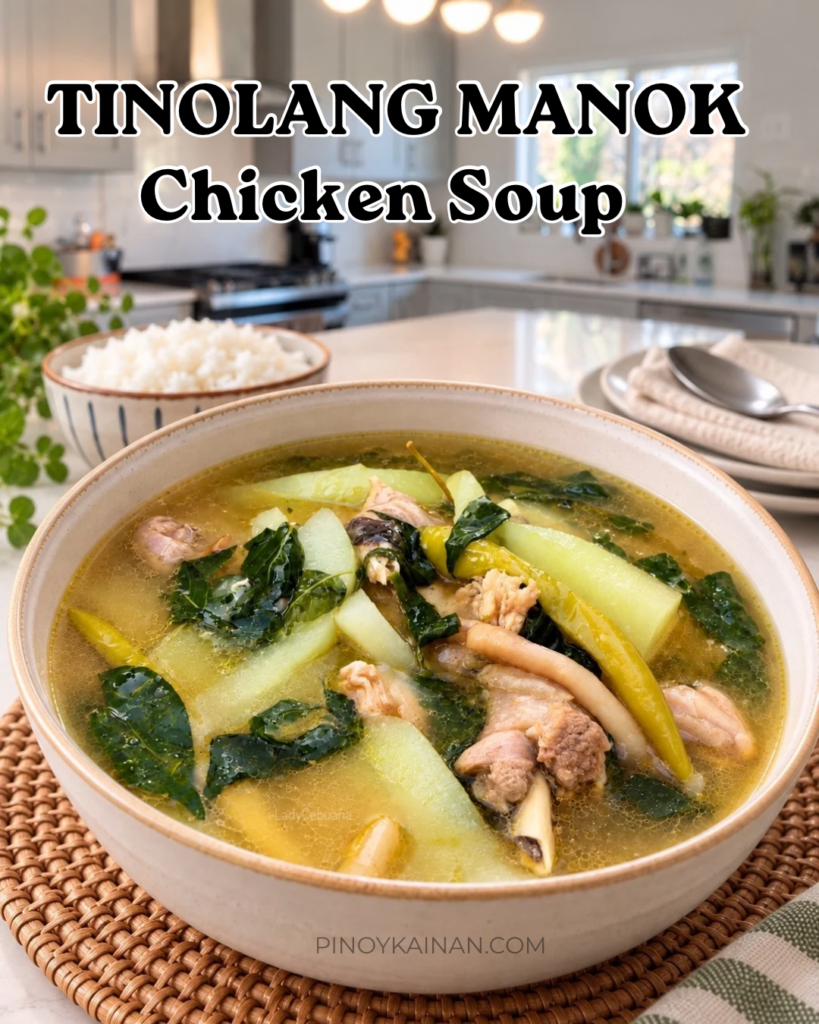
The secret to flavorful Filipino chicken tinola is using bone-in chicken, sautéing the ginger and aromatics before adding the broth, and allowing everything to simmer gently until the chicken becomes tender. Adding the vegetables and leafy greens at the right time keeps them fresh without overcooking. Whether you’re preparing a comforting family dinner, a rainy-day meal, or a hearty lunch, this easy Tinolang Mank recipe brings the familiar flavors of Filipino home cooking straight to your kitchen.

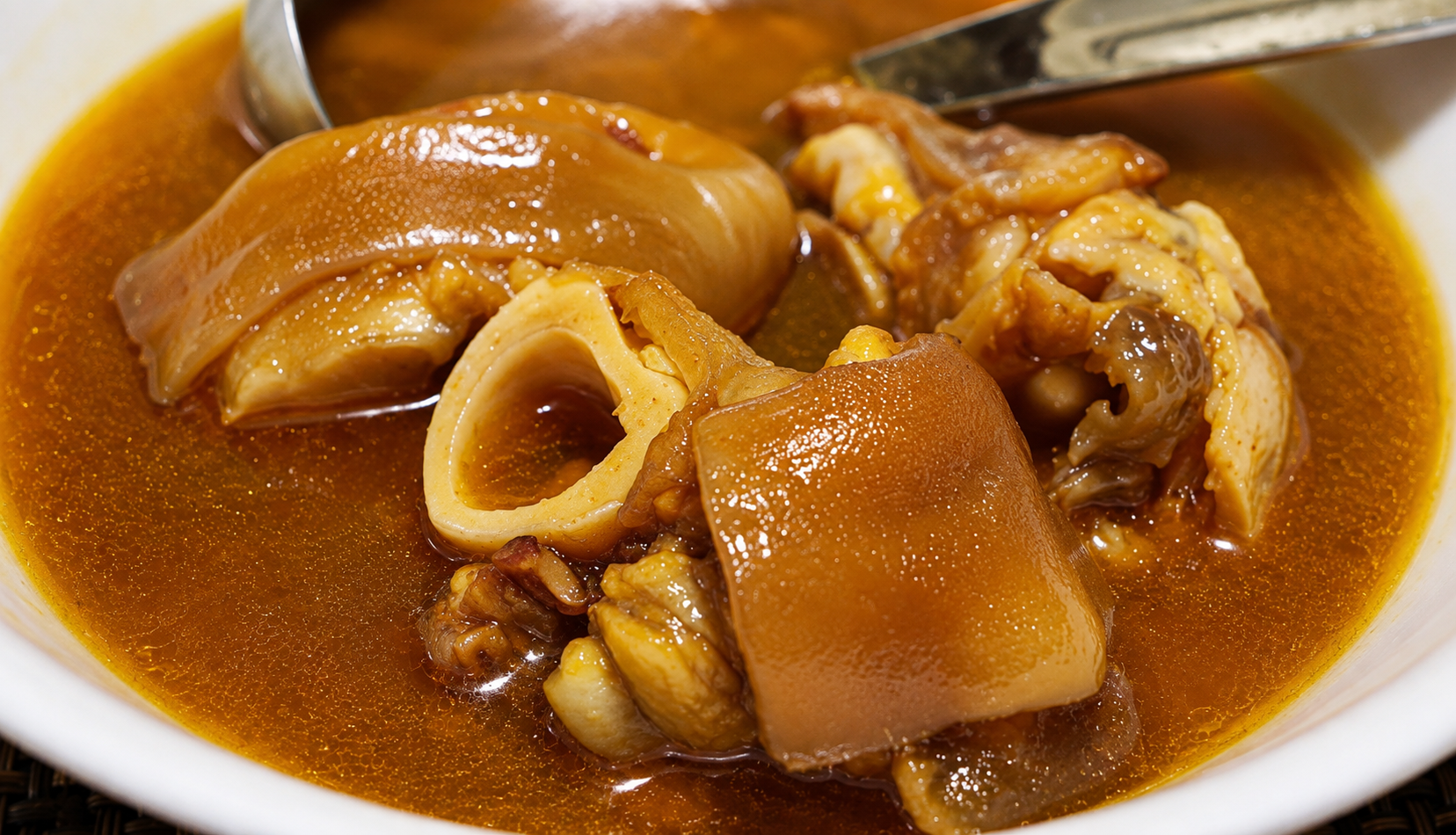
Serve it piping hot with steamed jasmine rice and a simple patis-calamansi dipping sauce for a satisfying meal the whole family can enjoy.
✅ Quick Tips: Read the recipe in its entirety before you start cooking. This will help you understand the ingredients, steps, and timing involved, and allow you to prepare any necessary equipment or ingredients beforehand.
Tinolang Manok Recipe (Filipino Chicken Ginger Soup with Sayote or Papaya)
Description
TINOLANG MANOK – SARAP NA BALIK-BALIKAN!
Nothing beats a comforting bowl of homemade Filipino Chicken Tinola! Tender, juicy chicken, fresh ginger, fragrant tanglad, sweet green papaya or sayote, and nutritious malunggay simmered together in a rich, flavorful broth. Perfect for rainy days, family dinners, or whenever you're craving a warm bowl of traditional Filipino comfort food!
Ingredients
For the Optional Patis-Calamansi Dipping Sauce
Instructions
-
Prepare the Chicken and Aromatics
Cut the chicken into medium serving pieces, keeping the bones for a richer soup broth. Pat the chicken dry with paper towels.
Peel and julienne the ginger, slice the onion, and mince the garlic.
Lightly pound the thick white portion of the lemongrass stalk using the back of a knife to release its aromatic oils, then tie it into a knot.
Peel the green papaya or sayote and cut it into evenly sized wedges. Wash and drain the malunggay and chili leaves.
Cooking Tip: Using bone-in chicken, especially a combination of thighs, drumsticks, and wings, gives tinola a deeper, more flavorful broth.
-
Sauté the Ginger, Onion, and Garlic
Heat 2 tablespoons of cooking oil in a large soup pot over medium heat.
Add the julienned ginger and sauté for approximately 1–2 minutes until fragrant.
Add the sliced onion and cook for another 2 minutes, stirring occasionally until it begins to soften.
Stir in the minced garlic and sauté for another 30 seconds to 1 minute, until aromatic.
Avoid burning the garlic because it can give the broth a bitter taste.
Cooking Tip: Sautéing the ginger first allows its warm, slightly peppery aroma to infuse the oil, creating the signature flavor of Filipino chicken tinola.
-
Add and Lightly Brown the Chicken
Add the bone-in chicken pieces to the pot.
Cook over medium-high heat for approximately 5–7 minutes, turning occasionally, until the outside of the chicken is no longer pink and some surfaces develop light golden spots.
Add 1 tablespoon of fish sauce and gently toss the chicken to distribute the seasoning.
Allow the fish sauce to cook briefly, approximately 30 seconds, to develop a savory aroma.
Cooking Tip: Lightly browning the chicken before simmering adds flavor to the finished soup. It is not necessary to cook the chicken completely at this stage.
-
Add the Broth and Lemongrass
Pour in 4 cups chicken broth and 2 cups water.
Add the bruised lemongrass stalk and gently stir to combine.
Increase the heat and bring the liquid to a boil.
Once boiling, skim off any foam or impurities that rise to the surface using a spoon or ladle.
Reduce the heat to low, partially cover the pot, and simmer gently for approximately 30–35 minutes, or until the chicken is tender and cooked through.
Add a little hot water if the broth reduces too much.
Cooking Tip: Maintain a gentle simmer rather than a vigorous boil. Slow cooking helps keep the chicken juicy and produces a clearer, more delicate broth.
For native chicken (manok na bisaya), allow additional simmering time, potentially 60–90 minutes or more, until tender.
-
Add the Green Papaya or Sayote
Once the chicken is tender, add the sliced green papaya or sayote.
If using whole green chilies, add them now.
Stir gently and continue simmering for approximately 8–12 minutes until the vegetables are fork-tender but still hold their shape.
Green papaya may require slightly more cooking time than sayote, depending on the thickness of the slices.
Cooking Tip: Avoid overcooking the vegetables. They should be tender enough to eat comfortably without becoming mushy or falling apart.
-
Add the Malunggay and Chili Leaves
Once the chicken and vegetables are tender, add the fresh malunggay and chili leaves.
Gently push the leaves into the simmering broth and cook for approximately 1–2 minutes, just until wilted.
If using baby spinach instead of chili leaves, add it at this stage and cook only until softened.
Do not overcook the leafy greens, as this can dull their color and make them overly soft.
Cooking Tip: Adding the greens near the end helps preserve their fresh appearance and delicate flavor.
-
Adjust the Seasoning
Taste the broth and add additional fish sauce, up to 1 tablespoon more, as desired.
Sprinkle in ground black pepper and add a little salt only if necessary.
The broth should taste savory, aromatic, and pleasantly gingery, without becoming overly salty.
Remove the lemongrass stalk before serving.
Check that the thickest chicken pieces have reached at least 165°F (74°C) internally, measured away from the bone.
Cooking Tip: Fish sauce provides the signature umami flavor of tinola. Add it gradually because commercial chicken broth may already contain substantial sodium.
-
Prepare the Patis-Calamansi Dipping Sauce
In a small dipping bowl, combine 2 tablespoons fish sauce and 1 tablespoon freshly squeezed calamansi juice.
Add thinly sliced siling labuyo if you prefer a little heat.
Stir gently until combined.
Serve alongside the soup so everyone can adjust the saltiness and spice of their chicken according to personal preference.
Cooking Tip: Fresh calamansi balances the rich chicken flavor with a bright, citrusy finish. Lime juice is a convenient substitute when calamansi is unavailable.
-
Serve Hot with Steamed Rice
Ladle the freshly cooked Tinolang Manok into individual serving bowls.
Include a generous portion of chicken, green papaya or sayote, leafy vegetables, and aromatic broth in each bowl.
Serve immediately with hot steamed white rice and the prepared patis-calamansi dipping sauce.
For a traditional Filipino meal, enjoy the warm chicken broth alongside the rice, adding extra broth as desired.
Serving Tip: Tinola tastes especially comforting when served piping hot, with plenty of ginger-infused broth and freshly cooked rice.
Note
Cooking Tips
1. Choose bone-in chicken for richer broth. Chicken bones, connective tissue, and a little skin contribute additional flavor and body to the soup. A combination of thighs, drumsticks, and wings works especially well.
2. Use plenty of fresh ginger. Ginger is the defining aromatic ingredient of Tinolang Manok. Fresh julienned ginger gives the broth a cleaner, more pronounced flavor than dried ginger.
3. Add tanglad for an aromatic variation. Lemongrass contributes a light citrus fragrance that complements the ginger. It is optional in many traditional tinola preparations, so omit it if you prefer a more straightforward ginger-based broth.
4. Sauté the chicken before simmering. Cooking the chicken briefly with the aromatics and fish sauce develops a savory foundation for the soup.
5. Use homemade chicken broth when available. Homemade broth often provides a fuller chicken flavor. However, plain water can also be used for a traditional, lighter preparation.
6. Keep the broth at a gentle simmer. Boiling the chicken aggressively can make the broth cloudy and the meat less pleasant in texture. Gentle simmering is ideal.
7. Choose between sayote and green papaya. Both are common in Filipino tinola. Green papaya has a slightly firmer texture, while sayote is milder and cooks relatively quickly.
8. Add malunggay and chili leaves last. Tender leaves cook quickly. Adding them shortly before serving helps maintain their green color and fresh flavor.
9. Season gradually with patis. Fish sauce adds depth, but too much can overpower the ginger and chicken. Taste the broth before adding more.
10. Adjust the cooking time for native chicken. Manok na bisaya is generally firmer than commercially raised chicken and often benefits from longer, slower simmering.
11. Make it spicy or family-friendly. For a mild version, use no chilies or keep the siling haba whole. For a spicier soup, slice the chili or add siling labuyo according to taste.
12. Do not discard the broth. The ginger-infused chicken soup is an essential part of tinola. Serve each portion with enough broth to enjoy alongside steamed rice.
Ingredient Substitutions
| Original Ingredient | Recommended Substitute |
|---|---|
| Bone-in chicken | Chicken thighs, drumsticks, or native chicken |
| Fresh ginger (luya) | Frozen fresh ginger, thinly sliced or julienned |
| Lemongrass (tanglad) | Omit if unavailable; ginger remains the main aromatic |
| Green papaya | Chayote squash (sayote) |
| Sayote | Unripe green papaya |
| Malunggay leaves | Fresh or frozen moringa leaves; baby spinach if unavailable |
| Chili leaves (dahon ng sili) | Baby spinach or other tender, edible leafy greens |
| Fish sauce (patis) | Salt, adjusted to taste; flavor will be less complex |
| Chicken broth | Water, or diluted low-sodium chicken bouillon |
| Siling haba | Anaheim pepper or another mild green chili |
| Calamansi | Fresh lime or lemon juice |
